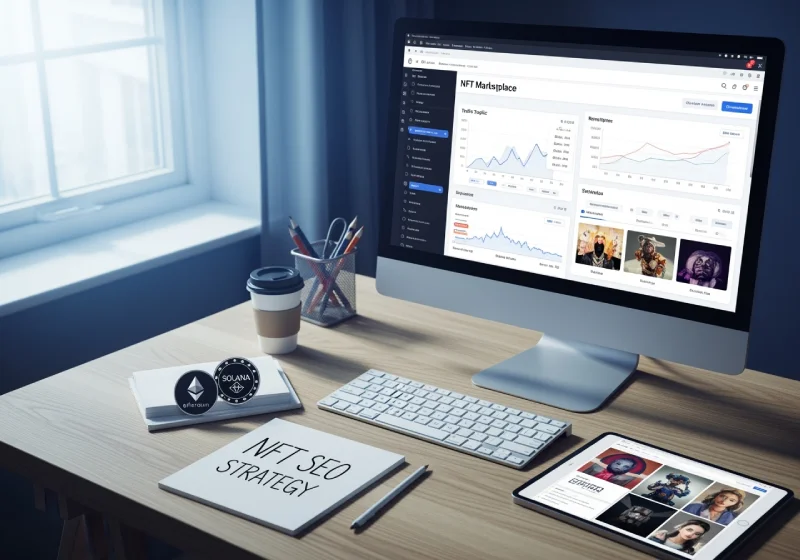
SEO for NFT marketplaces requires a tailored approach addressing the unique characteristics of digital collectibles, visual content optimization, discovery platform integration, and competitive market dynamics. Effective NFT marketplace SEO combines niche keyword targeting for specific categories like art or gaming NFTs, comprehensive on-page optimization across collection and creator pages, educational content establishing marketplace authority, and technical implementation ensuring search engines properly index image-heavy sites while providing excellent user experiences.
NFT marketplaces face distinct SEO challenges compared to traditional e-commerce platforms due to their visual-first nature, rapidly changing inventory, blockchain technology integration, and reliance on both search engines and specialized NFT discovery platforms for traffic. Unlike conventional product sites, NFT marketplaces must optimize for collectors searching specific art styles, utility NFT functions, or creator names while also maintaining presence across OpenSea, Rarible, and other aggregator platforms that serve as critical discovery channels.
Search engines increasingly understand NFT-specific terminology and user intent, but marketplaces must implement strategic optimization addressing both algorithmic requirements and collector behaviors. Implementing specialized SEO for blockchain ensures your marketplace captures organic traffic from engaged collectors and artists rather than relying solely on paid promotion or temporary community hype that fluctuates with market sentiment.
Key Takeaways
- Niche-specific keyword research targeting long-tail terms like "AI-generated art NFTs," "utility NFTs with staking rewards," or "gaming collectibles marketplace" captures engaged collectors with clear intent rather than competing for impossibly broad terms dominated by major platforms.
- Comprehensive on-page optimization across homepage, category pages, creator profiles, and individual collection pages with unique meta titles, compelling descriptions, strategic header usage, and clear calls-to-action ensures every page type contributes to organic visibility and conversion.
- Educational content strategy including buying guides, minting tutorials, artist spotlights, market analysis, and regularly updated trend coverage establishes marketplace authority while targeting informational searches throughout the collector journey from awareness to purchase.
- Visual content optimization through descriptive alt text, meaningful image file names, and proper sizing helps search engines understand your image-heavy NFT assets while improving accessibility and page speed despite the visual-first nature of digital collectible marketplaces.
- Schema markup implementation for products, collections, creators, reviews, and price history enables rich snippet displays in search results that increase click-through rates while signaling structured professional information presentation that search algorithms reward.
- Multi-platform optimization across both your owned marketplace and major NFT platforms like OpenSea, Rarible, and Magic Eden where collectors discover NFTs creates comprehensive visibility strategy capturing traffic from diverse discovery channels beyond traditional search engines.
Understanding NFT Marketplace SEO Landscape
NFT marketplace SEO operates within unique parameters shaped by visual-first content, blockchain technology, volatile markets, and diverse discovery platforms that extend beyond traditional search engines.
Traditional e-commerce SEO focuses on product descriptions, reviews, and transactional optimization, but NFT marketplaces must account for rapidly changing inventory as collections sell out or new drops launch. The visual nature of digital art and collectibles means text-based search engine optimization faces inherent challenges since core value exists in images that algorithms struggle to evaluate without proper markup and metadata.
NFT SEO strategies must address several distinctive factors:
- Visual content requiring enhanced metadata and alt text strategies
- Blockchain terminology and technical concepts needing clear explanation
- Volatile market dynamics affecting keyword search volumes
- Multiple discovery channels including specialized NFT aggregators
- Creator-focused optimization beyond typical product pages
- Community-driven traffic patterns influenced by social platforms
The competitive landscape includes established platforms like OpenSea commanding massive market share, niche marketplaces targeting specific categories, and emerging platforms offering innovative features. Differentiation through SEO requires strategic positioning around underserved niches, superior content, and comprehensive technical optimization that larger platforms may neglect.
Google and other search engines apply heightened scrutiny to financial and investment content under E-E-A-T guidelines. NFT marketplaces must demonstrate expertise, authoritativeness, and trustworthiness through transparent information, clear creator verification processes, and educational resources helping collectors make informed decisions about digital asset purchases.
Keyword Research for NFT Discovery
Effective keyword research identifies how collectors, artists, and investors search for NFT marketplaces, specific collections, and digital art categories throughout their journey from awareness to purchase.
Niche Category Targeting
Rather than competing for impossible terms like "NFT marketplace" dominated by OpenSea and Rarible, focus on specific niche categories where your platform specializes. Target keywords like:
- "AI-generated art NFT marketplace"
- "gaming NFT collectibles platform"
- "music NFT minting site"
- "photography NFT marketplace"
- "utility NFT with staking"
- "eco-friendly NFT platform"
Niche specificity attracts more qualified traffic from collectors specifically interested in your marketplace's focus area. A gaming NFT marketplace ranking #1 for "gaming collectibles NFTs" generates more valuable traffic than ranking #50 for generic "NFT marketplace."
User Intent Mapping
Different search types indicate distinct user intents requiring varied content approaches:
Informational intent searches like "what are utility NFTs" or "how to mint NFT" require educational content explaining concepts, processes, and marketplace features. These queries attract early-stage researchers who may convert to users after understanding NFT fundamentals.
Navigational intent searches for specific collections, creators, or marketplace names indicate users seeking particular destinations. Optimize for branded terms and popular collection names available on your platform to capture this direct traffic.
Transactional intent queries like "buy Bored Ape NFT" or "mint generative art NFT" signal ready-to-purchase users. Ensure collection and minting pages rank for these high-value commercial keywords driving immediate conversions.
Comparison intent searches including "OpenSea vs Rarible" or "best NFT marketplace for artists" present opportunities to position your platform against competitors through objective comparison content highlighting your differentiators.
Long-Tail Keyword Opportunities
Long-tail keywords combining multiple qualifiers capture highly specific searches with lower competition:
- "low gas fee NFT marketplace Polygon"
- "royalty-free music NFTs for creators"
- "verified artist NFT platform"
- "fractional NFT ownership marketplace"
- "NFT marketplace accepting credit cards"
These specific combinations indicate clear user needs your marketplace may uniquely satisfy, generating qualified traffic more likely to convert than generic keyword visitors.
| Keyword Type | Example Searches | Competition Level | Traffic Potential | Conversion Value |
| Niche category | "gaming NFT marketplace", "music NFT platform" | Moderate - Category dependent | Medium - Focused audience | High - Relevant visitors |
| Collection names | "[Collection] NFT", "buy [Collection]" | High - Popular collections | High - Direct interest | Very High - Purchase intent |
| How-to queries | "how to mint NFT", "sell NFT guide" | Moderate - Educational | High - Learning phase | Medium - Future conversion |
| Comparison terms | "[Platform] vs [Platform]", "best NFT marketplace" | High - Commercial intent | Medium - Research phase | Medium-High - Decision stage |
| Technical features | "layer 2 NFT platform", "no gas fee minting" | Low-Moderate - Specific | Low-Medium - Technical audience | High - Feature-driven |
| Creator-focused | "artist NFT platform", "NFT royalties marketplace" | Moderate - B2B audience | Medium - Creator traffic | High - Platform revenue |
Seasonal and Trend-Based Keywords
NFT markets experience trend cycles requiring dynamic keyword strategies. Monitor emerging trends like:
- New blockchain networks launching NFT support
- Celebrity or brand NFT drops generating temporary interest
- Regulatory developments affecting markets
- Technological innovations like dynamic NFTs
- Cultural moments driving digital collectible interest
Capture trend-based traffic through timely content addressing current market movements while maintaining evergreen educational resources for consistent long-term traffic.
On-Page Optimization Across Marketplace Pages
NFT marketplaces contain multiple page types each requiring tailored optimization approaches addressing specific user intents and search opportunities.
Homepage Optimization Strategy
Your homepage targets broad awareness searches and establishes primary marketplace positioning. Optimize homepage meta titles incorporating your primary category focus like "AI Art NFT Marketplace | Create & Trade Digital Collectibles" rather than generic positioning indistinguishable from competitors.
Craft compelling meta descriptions highlighting unique value propositions within 155 characters: "Discover curated AI-generated art NFTs with zero minting fees. Support verified artists. Trade on Polygon for minimal gas costs. Join 50K+ collectors."
Structure homepage content with clear H1 headers communicating primary purpose: "Premium Digital Art NFT Marketplace" or "Gaming Collectibles NFT Platform." Organize sections with H2 subheadings like "Featured Collections," "Trending Artists," "How It Works," and "Why Choose [Platform]."
Include prominent calls-to-action driving key user actions:
- "Explore Collections" leading to category pages
- "Start Creating" directing artists to minting
- "Connect Wallet" enabling immediate participation
- "Learn About NFTs" guiding newcomers to education
Balance promotional messaging with substantive content providing value that search engines reward. Avoid thin homepage content consisting only of navigation and featured images without meaningful text explaining marketplace benefits and differentiators.
Category and Collection Pages
Optimize individual category pages for specific NFT types your marketplace offers. Art NFT category pages should target keywords like "buy digital art NFTs," "contemporary art NFTs," or "generative art marketplace" depending on your specific art focus.
Write unique descriptions for each category explaining what users find, why they'd choose this category, and what distinguishes offerings from competitors. Include filtering options, featured collections within the category, and educational content about that NFT type.
Individual collection pages require optimization for collection-specific searches. If hosting popular collections, optimize for "[Collection Name] NFTs," "buy [Collection]," and related variants collectors use when searching specific projects.
Ensure each collection page includes:
- Unique descriptive content about the collection and creator
- Current floor price, volume, and holder statistics
- Collection roadmap and utility descriptions
- Creator verification and background information
- Links to creator profiles and related collections
Avoid duplicate content across similar collections—write unique descriptions highlighting what makes each collection distinct even within same category or style.
Creator and Artist Profile Pages
Artist profiles represent important landing pages for collectors discovering creators through search. Optimize profiles for creator names, artistic styles, and categories they work within like "generative artist profile" or "3D NFT creator."
Include comprehensive creator bios with background, artistic approach, previous exhibitions or achievements, and verification status. Link to their collections, individual NFT listings, and external portfolios or social media establishing credibility.
Encourage creators to provide detailed profile information and regular updates. Active, information-rich creator pages perform better in search while building trust with potential collectors evaluating whether to invest in that artist's work.
Individual NFT Listing Optimization
While individual NFT pages may have limited long-term SEO value due to sales removing listings, optimize them appropriately during active listing periods. Use descriptive titles including NFT name, collection, and key attributes like "Cyberpunk Warrior #847 | Elite Gaming NFT | Rare Legendary Trait."
Write unique descriptions for notable pieces explaining artistic inspiration, technical creation process, utility features, or collection context. Include relevant metadata like creation date, blockchain, rarity ranking, and attribute breakdowns.
Implement proper image optimization with alt text describing visual elements: "Cyberpunk warrior character NFT with neon blue hair, armored suit, and urban dystopia background" rather than generic "NFT image."
Content Strategy for NFT Marketplace Authority
Comprehensive content strategies establish marketplace expertise while targeting informational searches throughout the collector and creator journey from awareness to active participation.
Educational Content Development
Create foundational guides explaining NFT concepts, marketplace usage, and digital collectible fundamentals. Essential topics include:
"What Are NFTs" explainers introducing digital ownership concepts to newcomers. "How to Buy Your First NFT" step-by-step guides walking through wallet setup, funding, and purchase processes. "NFT Minting Guide" tutorials teaching creators how to list work on your platform. "Understanding Gas Fees" technical breakdowns helping users navigate blockchain costs. "NFT Storage and Security" best practices protecting valuable digital assets.
Educational content ranks for informational searches while nurturing potential users through learning curves that may otherwise prevent platform adoption. Well-optimized guides become referenced resources other sites link to, building domain authority.
Marketplace Feature Highlights
Develop content showcasing platform capabilities and differentiators. Create articles explaining:
- Zero-fee minting benefits for creators
- Layer 2 integration reducing transaction costs
- Creator royalty systems supporting artists
- Verification processes ensuring authenticity
- Fractional ownership enabling shared collecting
- Secondary market features and analytics
Feature-focused content targets users researching specific marketplace capabilities, positioning your platform for collectors and creators prioritizing those particular features.
Artist Spotlights and Interviews
Regular creator features provide fresh content while supporting artists using your platform. Publish interviews exploring creative processes, inspirations, technical approaches, and perspectives on NFT art evolution.
Artist spotlights generate several SEO benefits:
- Fresh content search engines reward with improved rankings
- Social sharing from featured artists to their audiences
- Backlinks from artist personal sites and portfolios
- Long-tail keyword opportunities around artist names and styles
- Increased time-on-site from engaged art enthusiasts
Coordinate spotlight publication with artist collection drops, creating mutual promotional benefits while generating timely relevant content.
Market Analysis and Trend Coverage
Publish regular market insights analyzing NFT trends, sales data, emerging categories, and industry developments. Cover topics like:
- Monthly volume and transaction analysis
- Emerging artistic movements and styles
- New blockchain networks and marketplaces
- Regulatory developments affecting NFTs
- Technology innovations like dynamic NFTs
- Celebrity and brand NFT initiatives
Market analysis positions your marketplace as authoritative industry voice while capturing traffic from collectors and investors researching current conditions. Update analysis regularly as markets evolve, maintaining content freshness that search engines prioritize.
| Content Type | Primary Purpose | SEO Value | User Value | Update Frequency |
| Beginner guides | Education, awareness | High - Evergreen traffic | Very High - Reduces barriers | Annual refresh |
| How-to tutorials | User activation | High - Long-tail keywords | Very High - Enables usage | Quarterly review |
| Artist spotlights | Community building | Medium - Fresh content | High - Discovery aid | Weekly/biweekly |
| Market analysis | Thought leadership | Medium-High - Trend traffic | Medium-High - Insight value | Weekly/monthly |
| Collection reviews | Discovery support | Medium - Collection keywords | High - Purchase decisions | As collections launch |
| FAQ sections | Problem solving | High - Question keywords | Very High - Quick answers | Monthly additions |
Visual Content and Image SEO
NFT marketplaces' image-heavy nature requires specialized optimization ensuring search engines properly understand and index visual content central to digital collectible appeal.
Image Alt Text Best Practices
Descriptive alt text serves dual purposes of accessibility for visually impaired users and SEO by explaining image content to search engines. Write alt text that accurately describes visual elements without keyword stuffing.
Strong alt text examples for NFT images:
- "Abstract digital art NFT with swirling purple and gold geometric patterns"
- "Pixel art character NFT featuring blue-haired warrior with sword and shield"
- "Generative landscape NFT showing neon sunset over digital mountains"
- "3D rendered collectible NFT of cyberpunk motorcycle with chrome details"
Avoid generic alt text like "NFT image" or "digital art" providing no meaningful description. Don't stuff keywords unnaturally like "buy NFT collectible digital art marketplace best platform" which helps neither accessibility nor SEO.
Image File Naming Strategy
Use descriptive, keyword-rich file names rather than default camera or export names. Rename files before upload:
- Instead of "IMG_2847.jpg" use "cyberpunk-warrior-nft-collection.jpg"
- Instead of "export_final_v3.png" use "abstract-generative-art-blue-gold.png"
- Instead of "screenshot_2025.jpg" use "gaming-collectible-rare-weapon-nft.png"
Separate words with hyphens, use lowercase letters, and include relevant category or collection identifiers helping search engines understand image context and category.
Image Optimization for Performance
Large image files slow page loading harming both user experience and SEO rankings through poor Core Web Vitals scores. Optimize images through:
- Compression reducing file size without visible quality loss
- Appropriate dimensions matching display sizes
- Modern formats like WebP offering better compression
- Lazy loading for images below initial viewport
- Content delivery networks distributing images globally
Balance image quality necessary for showcasing art with technical performance requirements. High-quality previews matter for collectibles, but implement progressive loading showing lower resolution quickly while higher quality loads.
Video Content Optimization
Video content explaining collections, creator processes, or platform features requires optimization for video search and embedded display. Upload videos to YouTube or Vimeo for hosting benefits including:
- Video-specific search traffic from YouTube
- Transcripts enabling text-based indexing
- Embedded video increasing page time-on-site
- Social sharing amplifying content reach
Optimize video titles, descriptions, and tags with relevant keywords. Include timestamps for longer videos helping viewers navigate content. Embed videos within relevant marketplace pages with surrounding text context explaining video relevance.
Schema Markup for Enhanced Visibility
Structured data implementation enables rich search result displays while helping search engines properly categorize and understand NFT marketplace content despite unique characteristics distinguishing digital collectibles from traditional products.
Product Schema for NFT Listings
Implement Product schema for individual NFT listings including attributes like:
- Name of NFT and collection
- Description with key features
- Current price and currency
- Availability status
- Creator/brand information
- Image URLs for primary visuals
While NFTs aren't traditional products, Product schema provides closest standard structured data format enabling rich snippets showing pricing, availability, and ratings in search results.
CreativeWork Schema for Digital Art
For art-focused NFTs, consider implementing CreativeWork schema identifying digital artworks with:
- Creator name and profile
- Date created and minted
- Art medium and style
- Collection association
- Licensing and ownership information
This schema type more accurately represents artistic NFTs compared to generic product categorization, though Google's support for NFT-specific schema remains evolving.
Organization Schema for Marketplace
Implement Organization schema establishing your marketplace entity with:
- Official name and logo
- Founding date and company information
- Contact details and support channels
- Social media profiles
- Marketplace category and focus
Organization schema builds entity recognition helping search engines understand your marketplace's official online presence across platforms and properties.
Review and Rating Schema
If your marketplace includes user reviews of collections or creators, implement Review or AggregateRating schema displaying star ratings in search results. These rich snippets dramatically improve click-through rates by providing social proof directly in search listings.
Ensure review schema accurately reflects genuine user reviews rather than marking up promotional content as reviews which violates Google's structured data guidelines and risks penalties.
Optimizing for NFT Discovery Platforms
Beyond traditional search engines, NFT aggregators and discovery platforms like OpenSea, Rarible, and Magic Eden serve as critical channels where collectors discover and research digital collectibles.
Platform Profile Optimization
Treat your profiles on major NFT platforms as mini-landing pages requiring comprehensive optimization. Complete all profile fields including:
- Marketplace name and category focus
- Detailed "About" descriptions with keywords
- High-quality logo and banner images
- Links to website and social channels
- Verification badges when available
- Featured collections highlighting best work
Many collectors discover marketplaces through platform browsing rather than search engines, making these profiles essential for visibility within NFT ecosystems.
Collection Metadata Optimization
When listing collections on aggregator platforms, optimize all metadata fields:
- Collection names: Include descriptive keywords while maintaining brand identity
- Descriptions: Comprehensive text explaining collection concept, utility, and roadmap
- Tags and categories: Select all relevant classification options
- Creator information: Complete creator profiles with verification
- External links: Connect to website, Discord, Twitter, and related resources
Well-optimized collection listings rank higher in platform search results and recommendations, driving discovery from active collectors browsing those ecosystems.
Cross-Platform Consistency
Maintain consistent branding, messaging, and information across all platforms where your marketplace or collections appear. Inconsistent details confuse potential users while making your project appear unprofessional or potentially fraudulent.
Use identical logos, color schemes, and core messaging while tailoring specific content to each platform's features and audience preferences. Consistency builds recognition as collectors encounter your brand across multiple discovery channels.
Platform-Specific Features Utilization
Each NFT platform offers unique features for visibility:
- OpenSea: Verification badges, trending algorithms, promotional tools
- Rarible: Community curation, RARI rewards, aggregation features
- Magic Eden: Solana focus, launchpad opportunities, creator programs
- LooksRare: Rewards systems, trading competitions, stake features
Leverage platform-specific features maximizing visibility within each ecosystem rather than treating all platforms identically without considering their unique dynamics and user behaviors.
| Platform | Monthly Users | Optimization Priority | Key Features | Best For |
| OpenSea | 2M+ | Critical - Market leader | Verification, multi-chain | All marketplaces |
| Rarible | 500K+ | High - Aggregator reach | Multi-chain, curation | Curated collections |
| Magic Eden | 400K+ | High - Solana leader | Launchpad, low fees | Solana NFTs |
| LooksRare | 200K+ | Medium - ETH focus | Rewards, staking | Ethereum trading |
| Blur | 300K+ | Medium - Pro traders | Speed, aggregation | High-volume trading |
| Foundation | 100K+ | Medium - Art focus | Curated artists | Premium art |
Technical SEO and User Experience
Technical optimization ensures search engines properly crawl and index your marketplace while providing excellent user experiences that support conversions and engagement.
Site Architecture and Navigation
Design logical information architecture enabling users and search engines to easily navigate marketplace structure. Implement clear hierarchy from homepage to category pages to collection pages to individual NFT listings.
Use breadcrumb navigation showing page relationships: Home > Digital Art > Abstract Collections > Cyberpunk Series. Breadcrumbs improve user orientation while providing internal linking and structured data opportunities.
Create XML sitemaps including all important pages and submit to search engines through Search Console. Update sitemaps regularly as new collections launch and pages are added.
Implement internal linking strategies connecting related content:
- Category pages linking to relevant collections
- Collection pages linking to similar collections
- Educational content linking to relevant categories
- Creator profiles linking to their collections
- Blog posts linking to related marketplace sections
Mobile Optimization Requirements
NFT collectors frequently browse and purchase via mobile devices requiring exceptional mobile experiences. Ensure responsive design adapts seamlessly across all screen sizes from large desktop monitors to smartphones.
Test critical user flows on mobile including:
- Collection browsing and filtering
- Individual NFT viewing and detail examination
- Wallet connection and authentication
- Purchase and bidding processes
- Profile creation and management
Simplify mobile navigation without removing functionality. Implement mobile-specific features like swipe gestures for gallery browsing and thumb-friendly button placement for one-handed operation.
Page Speed Optimization
Despite image-heavy content, maintain fast loading times through aggressive optimization. Implement progressive image loading showing low-resolution placeholders while full quality loads. Use lazy loading for below-fold images preventing unnecessary initial resource consumption.
Minimize JavaScript execution time which delays interactivity. Optimize third-party scripts including wallet integrations, analytics, and social media embeds that slow page rendering.
Target Core Web Vitals scores meeting Google's "good" thresholds:
- Largest Contentful Paint under 2.5 seconds
- First Input Delay under 100 milliseconds
- Cumulative Layout Shift under 0.1
Monitor Search Console for Core Web Vitals performance identifying pages requiring optimization attention.
Security and Trust Signals
HTTPS encryption is mandatory for NFT marketplaces handling wallet connections and financial transactions. Implement proper SSL certificates across entire site preventing security warnings that destroy user trust.
Display prominent trust signals including:
- Security audits of smart contracts
- Wallet connection security explanations
- Transaction verification processes
- Creator verification procedures
- Terms of service and user protection policies
Security transparency builds confidence essential for users connecting wallets containing valuable digital assets to your marketplace.
Backlink Building and Authority Development
Quality backlinks from reputable crypto, art, and technology publications establish marketplace authority while driving referral traffic from engaged audiences interested in NFTs.
Industry Publication Outreach
Target backlinks from major crypto news sites covering NFT markets:
- CoinDesk, CoinTelegraph, Decrypt for crypto coverage
- The Block, Blockworks for blockchain industry news
- NFT Now, NFT Evening for NFT-specific publications
- Artnet, ArtNews for digital art coverage
- Gaming publications for gaming NFT marketplaces
Earn coverage through newsworthy announcements:
- Major collection launches or artist partnerships
- Technology innovations or feature releases
- Market milestones like volume or user achievements
- Unique marketplace positioning or approaches
- Data insights or market analysis
Creator and Artist Partnerships
Collaborate with prominent NFT creators generating backlinks from their personal sites, portfolios, and social profiles. Feature artists prominently on your marketplace with corresponding links back from their external presence.
High-profile creator partnerships generate multiple SEO benefits:
- Backlinks from creator portfolios and websites
- Social media mentions and shares
- Press coverage of notable collaborations
- Community engagement and discussion
- Increased marketplace credibility and prestige
Content Collaboration Opportunities
Partner with complementary crypto and art platforms on co-created content:
- Joint market research and data reports
- Collaborative educational resources
- Cross-promotional artist features
- Shared event coverage or sponsorships
- Technology integration announcements
Collaborations generate natural backlinks while exposing your marketplace to partner audiences potentially interested in your specific marketplace focus or features.
Community Platform Participation
Engage authentically in NFT communities generating natural mentions and backlinks:
- Reddit NFT communities and subreddits
- Discord servers focused on digital art and collecting
- Twitter/X NFT discussions and spaces
- NFT-focused forums and discussion boards
- Creative community platforms where artists gather
Provide genuine value and expertise rather than obvious self-promotion. Community respect earned through helpful participation generates organic mentions and backlinks more valuable than forced promotional efforts.
Conclusion
SEO for NFT marketplaces requires specialized strategies addressing visual-first content, blockchain technology integration, multi-platform presence, and unique discovery patterns distinguishing digital collectibles from traditional products. By implementing niche keyword targeting, comprehensive on-page optimization across all page types, educational content establishing authority, visual content best practices, schema markup, discovery platform optimization, and technical excellence, NFT marketplaces build sustainable organic visibility capturing engaged collectors and creators.
Success demands understanding NFT ecosystem dynamics, respecting both search engine and platform-specific optimization requirements, and continuously adapting strategies as markets, technologies, and user behaviors evolve. Marketplaces investing in comprehensive SEO reduce dependence on paid acquisition while establishing long-term competitive advantages through organic discovery. Contact our team to develop tailored NFT marketplace SEO strategies aligned with your platform's unique positioning, target collectors, and growth objectives.
Frequently Asked Questions
How is NFT marketplace SEO different from regular e-commerce SEO?
NFT marketplaces require specialized optimization addressing visual-first content through enhanced image SEO, blockchain terminology education for mainstream audiences, multi-platform presence across NFT aggregators beyond traditional search, rapidly changing inventory as collections sell out, and creator-focused optimization treating artists as products requiring individual pages and promotion.
What keywords should NFT marketplaces target?
Focus on niche category keywords matching your specialty like "gaming NFT marketplace" or "generative art platform" rather than impossible generic terms. Target collection names, creator names, how-to queries like "how to mint NFT," comparison searches, and long-tail combinations like "low gas fee NFT platform Polygon" capturing specific user needs.
How important is optimization on OpenSea and other NFT platforms?
Critical—many collectors discover marketplaces through browsing OpenSea, Rarible, and Magic Eden rather than Google searches. Treat platform profiles as essential landing pages requiring complete optimization with keyword-rich descriptions, quality images, and comprehensive collection metadata. Multi-platform presence dramatically expands discovery beyond traditional search engines.
Should I create separate pages for each NFT or just collection pages?
Create collection-level pages as primary optimization targets since individual NFT pages have limited long-term SEO value after sales. However, provide individual listing pages with proper optimization during active listings especially for notable high-value pieces that may generate searches and backlinks before selling.
How do I optimize images for NFT marketplace SEO?
Write descriptive alt text explaining visual elements, use keyword-rich file names before upload, compress images maintaining quality, implement lazy loading for performance, use appropriate dimensions matching display sizes, and provide surrounding text context explaining artistic significance or collection information supporting image understanding.
What schema markup should NFT marketplaces use?
Implement Product schema for NFT listings, Organization schema for marketplace entity, Review schema for user ratings, CreativeWork schema for art-focused NFTs, and BreadcrumbList schema for navigation. While Google lacks official NFT schema, these existing types enable rich results improving search visibility and click-through rates.
How long does it take to see SEO results for NFT marketplaces?
Most marketplaces notice initial ranking improvements within 3-4 months for less competitive niche keywords, with significant traffic growth materializing over 6-12 months as content library expands and domain authority builds. Established competitive terms may require 12+ months of consistent optimization before achieving strong rankings.
Can I use paid advertising instead of SEO for my NFT marketplace?
Paid advertising drives immediate traffic but becomes expensive at scale while stopping when budget runs out. SEO provides sustainable long-term traffic acquisition at lower costs per user once rankings establish. Most successful marketplaces combine both—paid for immediate growth and brand building while SEO develops for long-term sustainability.
How do I handle duplicate content across similar NFT collections?
Write unique descriptions for each collection highlighting distinctive characteristics like artistic style, creator background, utility features, or community aspects even within same category. Avoid template-based descriptions with only names changed which search engines recognize as thin duplicate content harming rankings.
What content should NFT marketplaces publish for SEO?
Create beginner guides explaining NFT concepts, how-to tutorials for platform usage, artist spotlights featuring creators, market analysis covering trends, collection reviews highlighting notable drops, FAQ sections answering common questions, and technical guides explaining blockchain aspects. Educational content ranks well while nurturing users through learning curves enabling platform adoption.